

Always Tired as a Parent?
It's 9:15pm. You sat down "for 5 minutes" after bedtime and woke up with a cricked neck, the TV 'passive aggressively' asking if you're still watching, and the kitchen still a bomb site.
Then at 3am you're wide awake, writing tomorrow's to-do list in your head.
If that sounds familiar, you're in very good company. Tiredness was the most common thing people reported on my health assessment throughout this year. Every single person who filled it in...
and nearly two thirds wake up feeling like they haven't slept at all. Wowzers!
Here's the line I hear more than any other (and I've said it myself): "I'm too tired to do the things that would make me less tired."
That sentence is the whole problem in a nutshell. So let's pull it apart.
Why being tired all the time wont fix itself
Parental tiredness rarely has one cause. It's a loop, and each part feeds the next. I call these spirals.
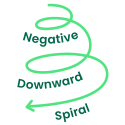
Broken sleep. The kids wake you, your mind won't switch off, or you stay up late because it's the only time that's yours (revenge bedtime procrastination... no really, it's a real thing).
Quick-fix energy. So you lean on coffee, toast, cereal bars and the biscuit tin to get through the day.
The crash. Quick energy comes with a quick drop. Cue the 3pm wall, the brain fog and the short fuse at teatime (... take a few deep breaths, be kind to yourself, and to them).
No energy left to move. "I'll start exercising when I've got more energy." That day somehow never arrives.
Stress with nowhere to go. No movement, no daylight, no downtime. Your nervous system stays switched on, and that wrecks your sleep... which takes you right back to step 1.
Round and round it goes, and every lap makes the next one easier to fall into. Weight creeps on. Joints start to ache. You start wondering if this is just what life looks like now.
Here's the thing. Our bodies evolved expecting a few basics every day: morning light, lots of gentle movement, real food, dark quiet evenings, and a tribe around you sharing the load. Modern parenting tends to strip out all of them at once, often in the very same year, thats when your sleep goes wonky.
So you're running a pretty demanding bit of kit on almost none of its basic inputs. Feeling knackered is a fairly reasonable response to that!
Signs you're in the spiral
Have a quick, honest look at this list:
You fall asleep on the sofa, then lie awake at 3am.
You're on your second coffee before 10am.
3pm is biscuit o'clock, every day.
Exercise is something you'll do "when things calm down".
Weekends get spent recovering from the week.
By 6pm your patience is hanging by a thread...
Three or more? You're spiralling!
The good news is that a spiral can be broken at any point. Break it in one place and we can start turning it the other way.

Why more sleep alone rarely sorts it
The obvious advice is "get more sleep". Brilliant. Shall I just ask the toddler nicely?
When young kids are involved, the hours you sleep are partly out of your hands. What you can control is how well your body uses the sleep it does get, and most of that is decided during the day. Light, movement, food breathing patterns and stress management all feed into how deep and restoring your sleep is.
That's also why a weekend lie-in rarely leaves you feeling fixed. (If waking up exhausted after a full night is your main issue, I've written about the common causes here: Why You're Still Tired After a Full Night's Sleep.)
Where to break the spiral first
Pick ONE of these: whichever feels easiest this week. Do it for 2 weeks, then add another.
1. Go to bed and get up at the same time every day
"But what about life?" I hear you cry... everything in life gets better when you do this, trust me.
We're creatures of habit and when your body gets these regular cues it learns when and how sleep is meant to happen.
2. Get daylight in your eyes before screens
10 minutes outside in the morning, before you check your phone. The school run counts. So does drinking your coffee on the back step.
Morning light sets your body clock, which helps you feel more awake in the day and sleepier at night.
3. Put protein in your breakfast
Toast, cereal and a coffee is a recipe for an 11am slump and a 3pm crash. Eggs, Greek yoghurt, leftovers from last night's tea... anything with a decent hit of protein keeps your energy steadier through the morning.
(Bonus: fewer raids on the biscuit tin.)

4. Take movement snacks
Too tired for the gym? Fine. Do 10 squats while the kettle boils. Hang from the climbing frame at the park. Get on the floor and crawl with the kids (they'll love it).
A few minutes of movement wakes your body up better than another coffee, and it helps you sleep more deeply too. More ideas here: Micro Workouts & Movement Snacks.
5. Set the house up for sleep
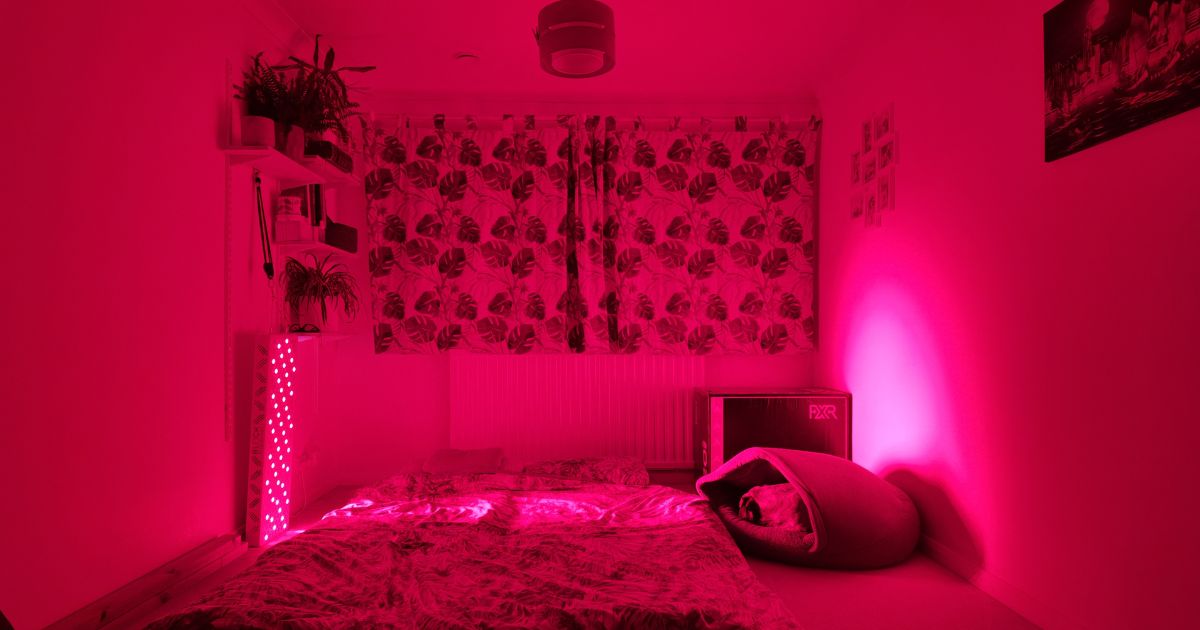
Most parents' sleep problems are household problems. Give the family's phones a "home" outside the bedrooms. Switch to warmer, dimmer lamps after tea. Start winding the whole house down a bit earlier.
When the house does the work, you don't need willpower at 10pm.
6. Empty your head before bed
If 3am is when your brain starts on the admin, give it somewhere to go earlier. Keep a notepad by the bed and dump tomorrow's list on paper before lights out.
It sounds too simple to work. Try it for a week.
More on sleep: 10 Tips To Get Great Sleep.
Make it survive a Tuesday
The plan you make on Monday morning gets tested by Tuesday: a poorly child, a meeting that overruns, half a cucumber in the fridge.
So set your quick win up for the bad days. Decide in advance: "If the morning goes sideways, then I still get 5 minutes of daylight on the way to work." Small enough that you'd do it on your worst day.
Missed one? Pick it up the next day. Consistency is about how quickly you come back to it.
When to check in with your GP
Lifestyle is a huge part of tiredness, and it's the part I help with. Tiredness can also be a sign of something that needs checking. Check with your GP if:
you've felt tired for a few weeks and aren't sure why (assuming your nutrition, exercise, sleep and stress levels are all dialled in)
it's affecting your daily life (which... it will be)
you have other symptoms too, such as weight loss or mood changes, or someone has told you that you gasp, snort or choke in your sleep
(Source: NHS, Tiredness and fatigue)
I'd add one more. If you've had a baby in the last year and your mood is low most days, mention it. Simple blood tests can rule out things like low iron or thyroid problems, and that's worth knowing before you start changing everything else.
The best results I see come from both working together: your GP ruling things out, and lifestyle doing the rebuilding.
Want to know where your spiral starts?
Everyone's spiral has a weakest link. For some it's sleep. For others it's food, stress or barely moving all day. Fix the right one first and everything else gets easier.
That's what my free SymptoCoach assessment is for. It's a short online questionnaire that gives you a personal report showing how your symptoms connect, so you know where to start.
One tip: use the "anything else?" box at the end to tell me what's actually going on. I read every one, and it helps me point you in the right direction.
Take the free SymptoCoach assessment
FAQs
Is it normal to be tired all the time as a parent?
It's common, especially in the early years. Being tired after a bad night is normal. Being exhausted most days for months, even when the kids sleep, is a sign something else needs attention: usually sleep quality, food, movement or stress, and sometimes a medical issue worth checking with your GP.
How can I exercise when I'm already exhausted?
Start smaller than feels worthwhile. 2 to 5 minutes of gentle movement a few times a day (squats, a brisk walk, playing on the floor with the kids) tends to leave you with more energy, which surprises most people. Save the hard workouts for when you're sleeping better.
How long does it take to feel less tired?
It varies from person to person. In my experience, people who stick with a few small changes, like morning daylight or a protein breakfast, often notice a difference within 1 to 2 weeks. Bigger shifts come from stacking a few changes over a couple of months.
Is this parental burnout?
Parental burnout usually means feeling emotionally drained, distant from your kids and like you're running on empty for weeks at a time. Lifestyle changes help. If your mood is low most days or you're struggling to cope, talk to your GP or therapist too. You don't have to wait until it's a crisis.